A Fashion Startup for the Virtual World
Digital Me is a pioneering fashion startup that redefines self-expression in virtual worlds. With a rising digital native audience, the platform offers customizable digital clothing through two innovative services: Ready Styles and Digi-Couture. Leveraging advanced 3D design and blockchain technology, Digital Me empowers users to create unique digital identities while bypassing traditional supply chains. This case study examines how the startup transforms fashion into a sustainable, zero-waste medium, blending creativity with technology to meet the evolving demands of virtual communities. It highlights the potential to revolutionize retail and inspire a new era of digital fashion in today’s market.
Introduction & Context
The Challenge
Fashion is more than just clothing—it’s a tool for self-expression, identity, and status. But as our lives become increasingly digital, so does our fashion. Today, people are curating digital identities in virtual spaces like Avakin Life, Fortnite, and the Metaverse, creating a demand for fashion beyond the physical world.
With over 20 million users shifting toward virtual worlds, digital fashion has become a key element of identity building, just as important as real-world fashion. However, the digital fashion industry is still in its early stages, lacking customization, inclusivity, and sustainable design options.
My Approach
As a service designer and digital strategist, I wanted to create a scalable fashion service that:
Bridges the gap between real and virtual fashion
Empowers users to fully customize their digital identity
This led to the development of Digital Me, a web-based fashion startup designed to meet the growing demand for customized digital fashion within virtual worlds.
Thought Process & Strategic Design
Research & Insights: Understanding the System
To validate my idea, I conducted:
Market Research & Industry Trends
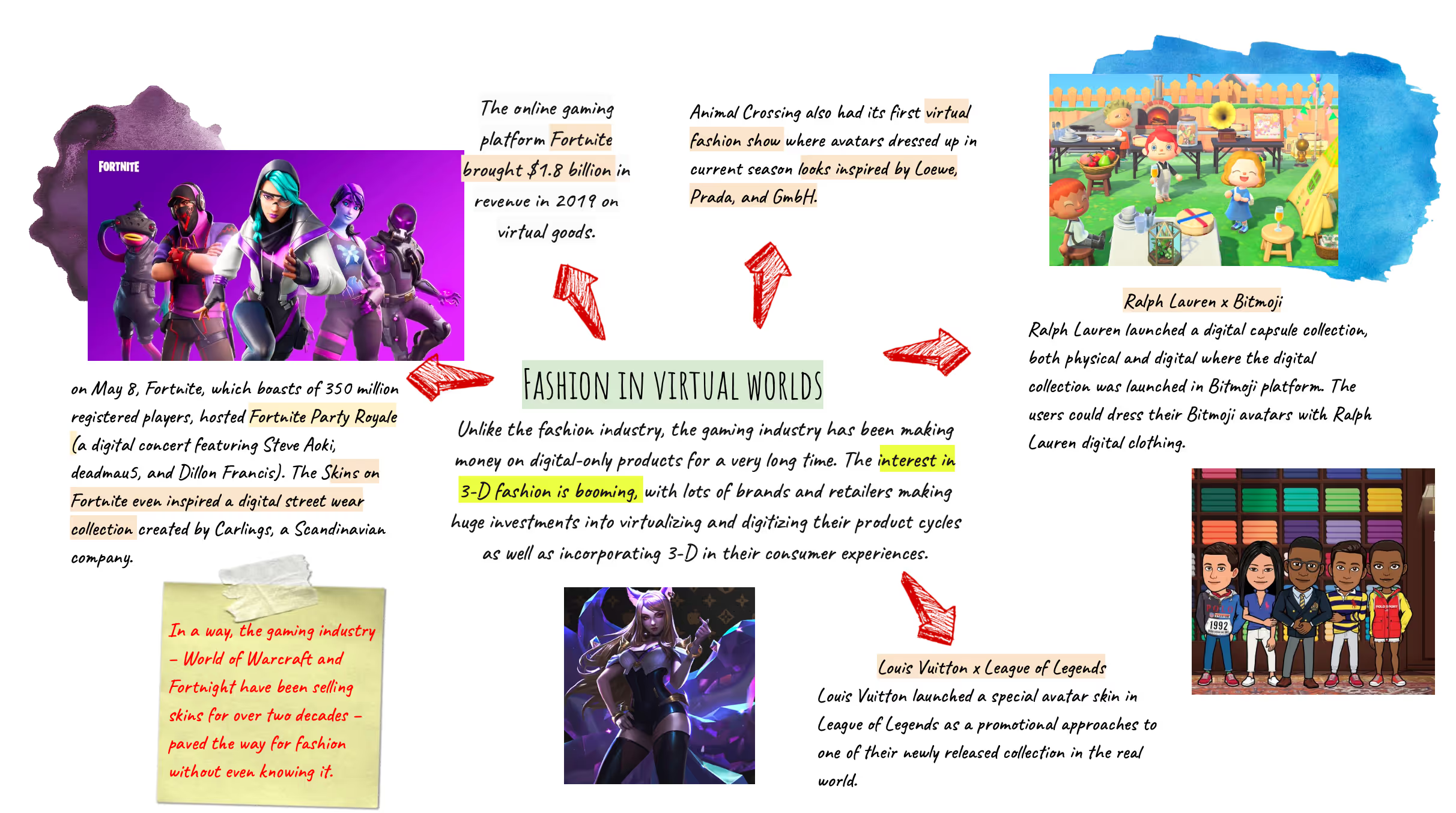
- Fashion is no longer just about physical garments—3D digital fashion is growing, with brands like Balenciaga, Gucci, and Ralph Lauren launching digital-only collections.
- The gaming industry already generates billions in virtual fashion sales—Fortnite alone made $1.8 billion in 2019 selling digital skins.
- Social media influencers and Gen Z consumers are early adopters of digital fashion, spending on customized avatar outfits as a form of self-expression.
User Behavior & Needs Analysis
- People want unique, personalized fashion for their avatars.
- Digital fashion allows for creativity beyond real-world constraints, including futuristic, physics-defying designs.
- Sustainability concerns are driving demand for zero-waste, digital-first fashion.
Observational Research & User Interviews
To ensure that Digital Me was designed around real user needs, I conducted an in-depth ethnographic study with 20 virtual world users. My research process included:
Initial Interviews (Physical Identity Analysis)
I interviewed users to analyze how they perceive their physical identity and what aspects of their personality they express through fashion in real life.
I explored their fashion preferences, self-image, and emotional connections to clothing.
One-Month Behavioral Observation in Virtual Worlds
I observed the same 20 participants in virtual spaces like Avakin Life, Second Life, and Roblox to understand how they construct and interact with their digital identities.
I noted key behavior patterns, including: How often they changed their digital outfits, The types of styles they preferred in virtual vs. real life, How their avatar’s appearance influenced their confidence & social interactions
Follow-Up Interviews (User Experience & Digital Fashion Challenges)
After one month of observation, I conducted a second round of interviews to analyze how users experience fashion in virtual worlds.
I asked questions about:
How their virtual outfits made them feel, What limitations they faced in customizing their avatar’s fashion, What they wished digital fashion could offer
Experience Journals & Qualitative Analysis
Participants were asked to maintain experience journals, detailing their thoughts, frustrations, and moments of excitement related to digital fashion.
These journals provided rich qualitative insights, helping to shape Digital Me’s core services.
Key Insights from Research
Users see their avatars as an extension of their identity but feel limited by the current fashion options in virtual worlds.
Customization is highly desired—users want to create digital outfits that truly reflect their personal style.
Digital fashion has an emotional impact—people feel more confident when their avatar looks good.
These insights helped shape Digital Me’s service model, ensuring that it meets the needs of digital-native consumers while rethinking the future of fashion.
Ideation & Concept Development: The Digital Me Platform
From my research, I structured Digital Me into two core service packages, designed to cater to different user needs:
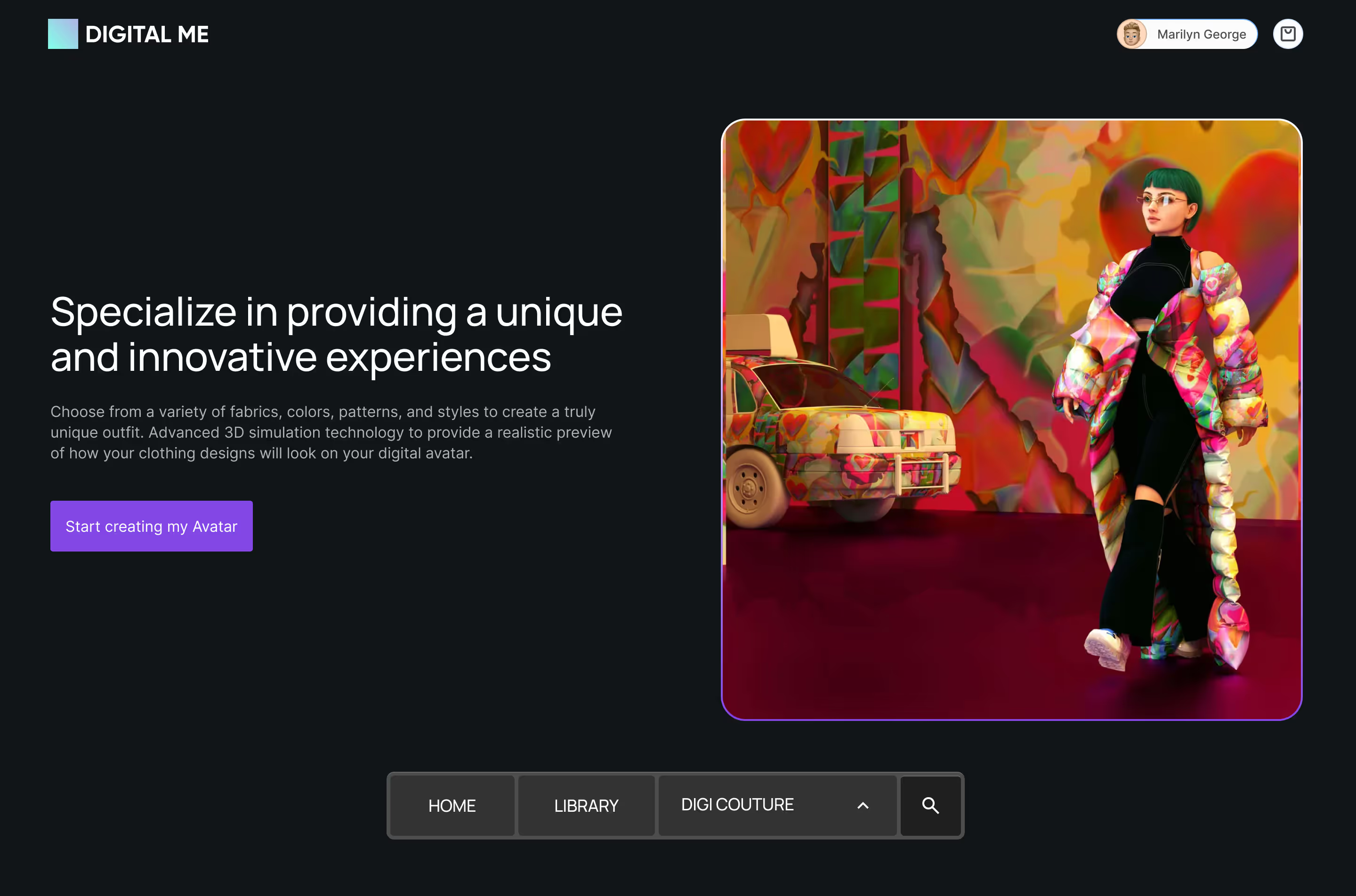
Ready Styles
Pre-Designed Digital Clothing)
- A curated collection of trend-driven digital garments for users to customize and download.
- Designed for those who want to express themselves without needing full customization.
- A seamless five-step customization process:
Select silhouette → Choose fabric & colors → Add prints & embellishments → View finished product → Download & wear
Digi-Couture
(Custom Digital Fashion)
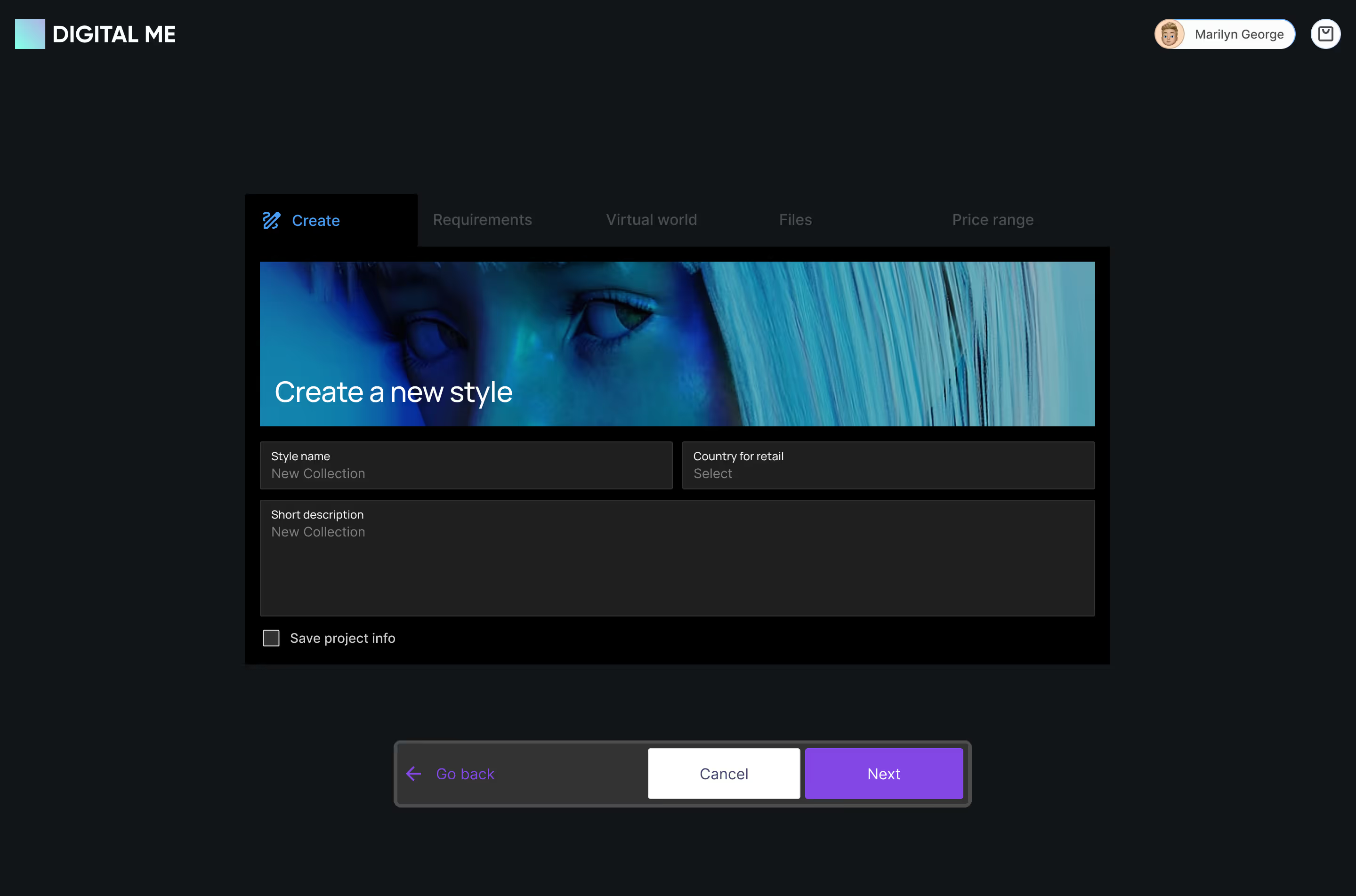
- A premium service where users collaborate with a digital fashion designer to create one-of-a-kind outfits.
- The first virtual couture house, offering custom designs that are exclusive within the platform.
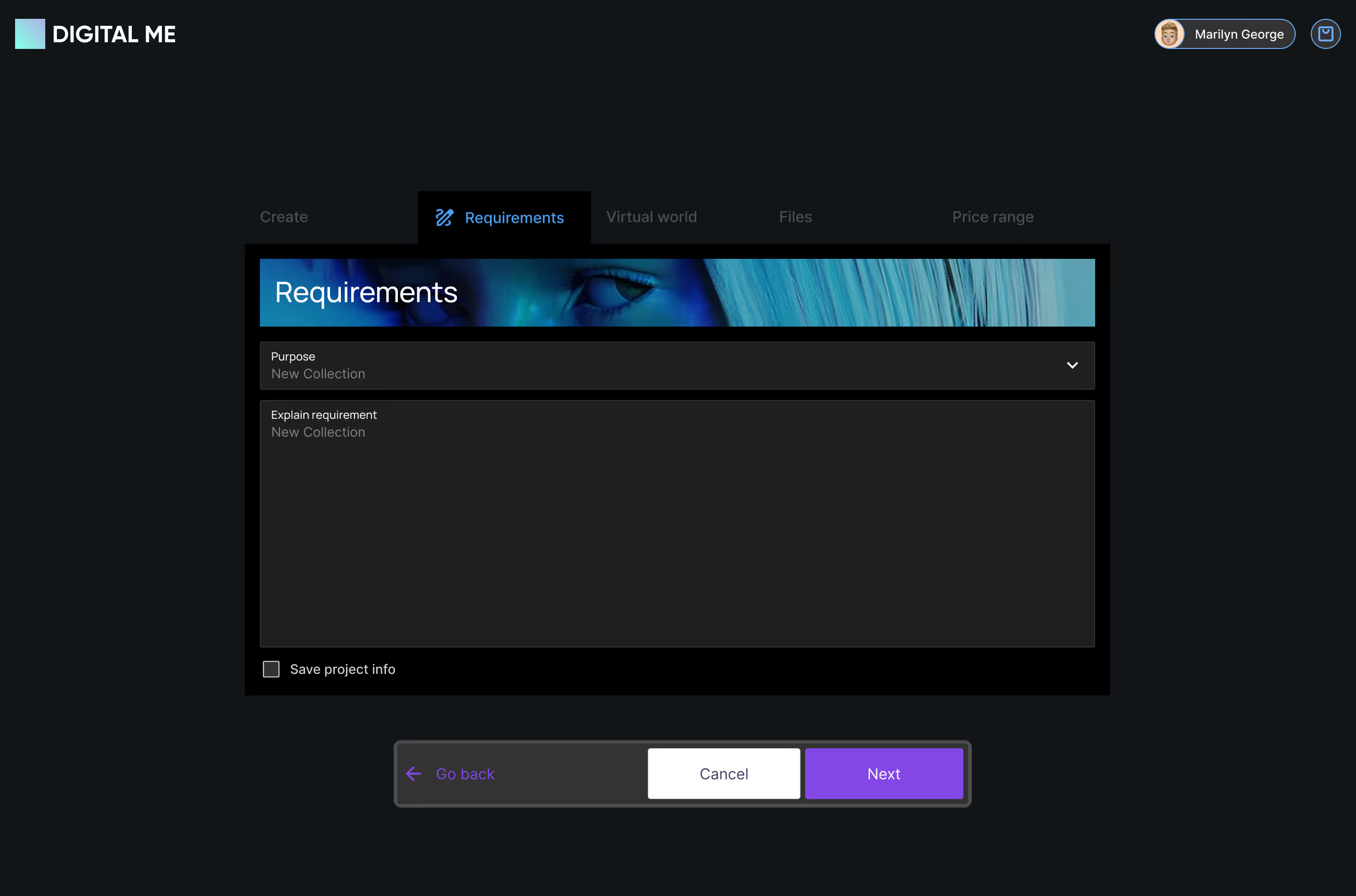
- Comes with two virtual sample rounds, ensuring a perfect final product.
- Uses blockchain technology to ensure uniqueness—items cannot be copied or reproduced by others.
Strategy & System Design: Making Digital Me Work
To ensure Digital Me’s success, I focused on three key strategic pillars:
Business Model Innovation
- Digital Me operates on a direct-to-avatar (D2A) business model, meaning it sells clothing directly to virtual identities, bypassing traditional supply chains.
- Users design their own looks, order digital outfits, and integrate them into virtual worlds.
- Revenue streams include: One-time purchases for Ready Styles, Premium pricing for Digi-Couture (Custom Fashion), Subscription-based virtual closets for influencers & gamers
Scalability & Sustainability
- The platform is scalable to multiple virtual environments, starting with Avakin Life and later expanding to Metaverse, Roblox, and Fortnite.
Go-to-Market Strategy & Community Engagement
- Influencer Partnerships: Work with top fashion influencers in Avakin Life and social media platforms.
- Virtual Fashion Shows: Host events within Avakin Life, showcasing Digital Me collections.
- In-Game Merchandising: Establish official brand presence in virtual worlds, allowing players to buy directly from their avatar’s wardrobe.
Visual Storytelling & User Experience
To create an engaging, immersive experience, Digital Me incorporates:
Key Insights from Research
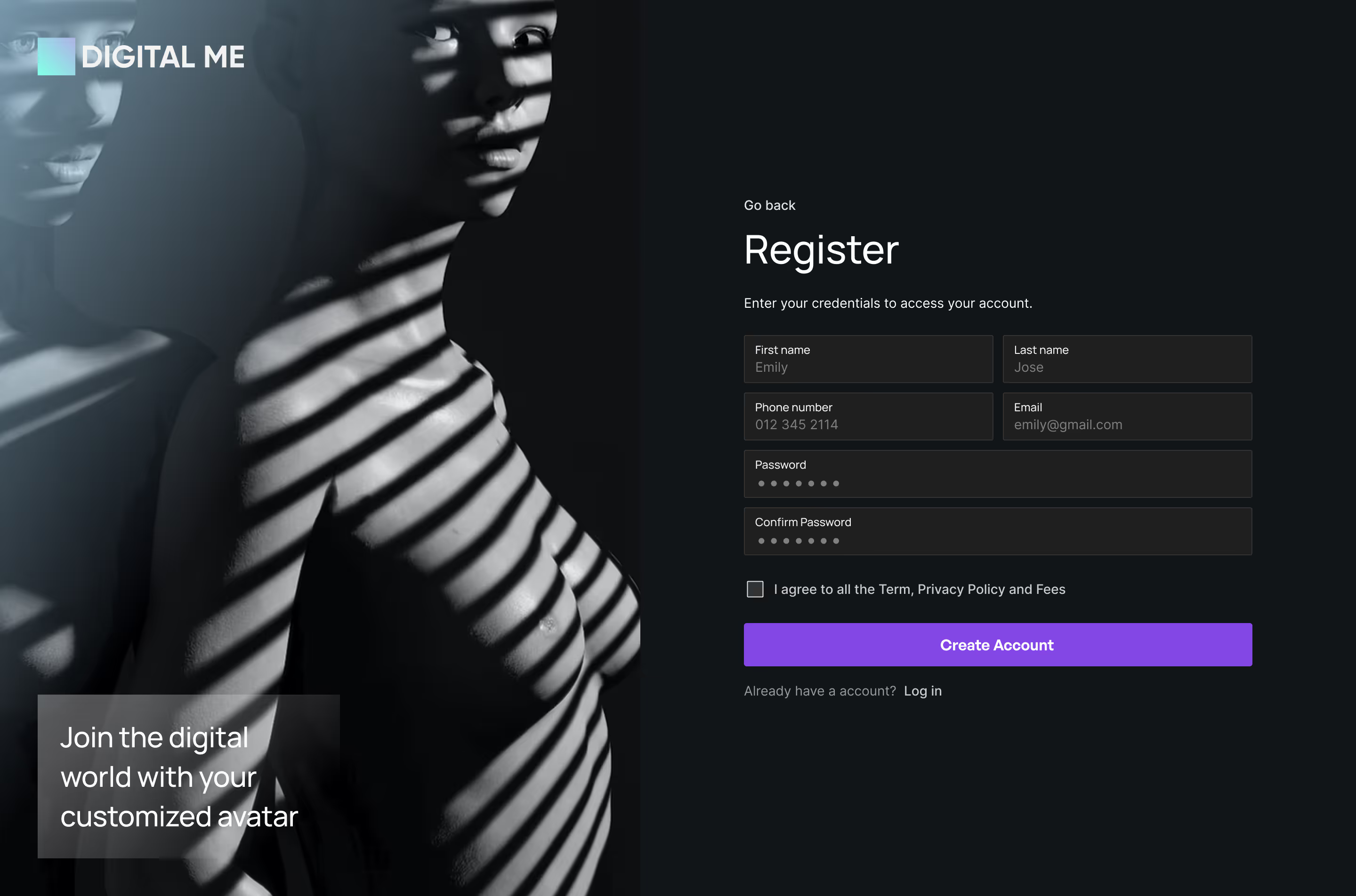
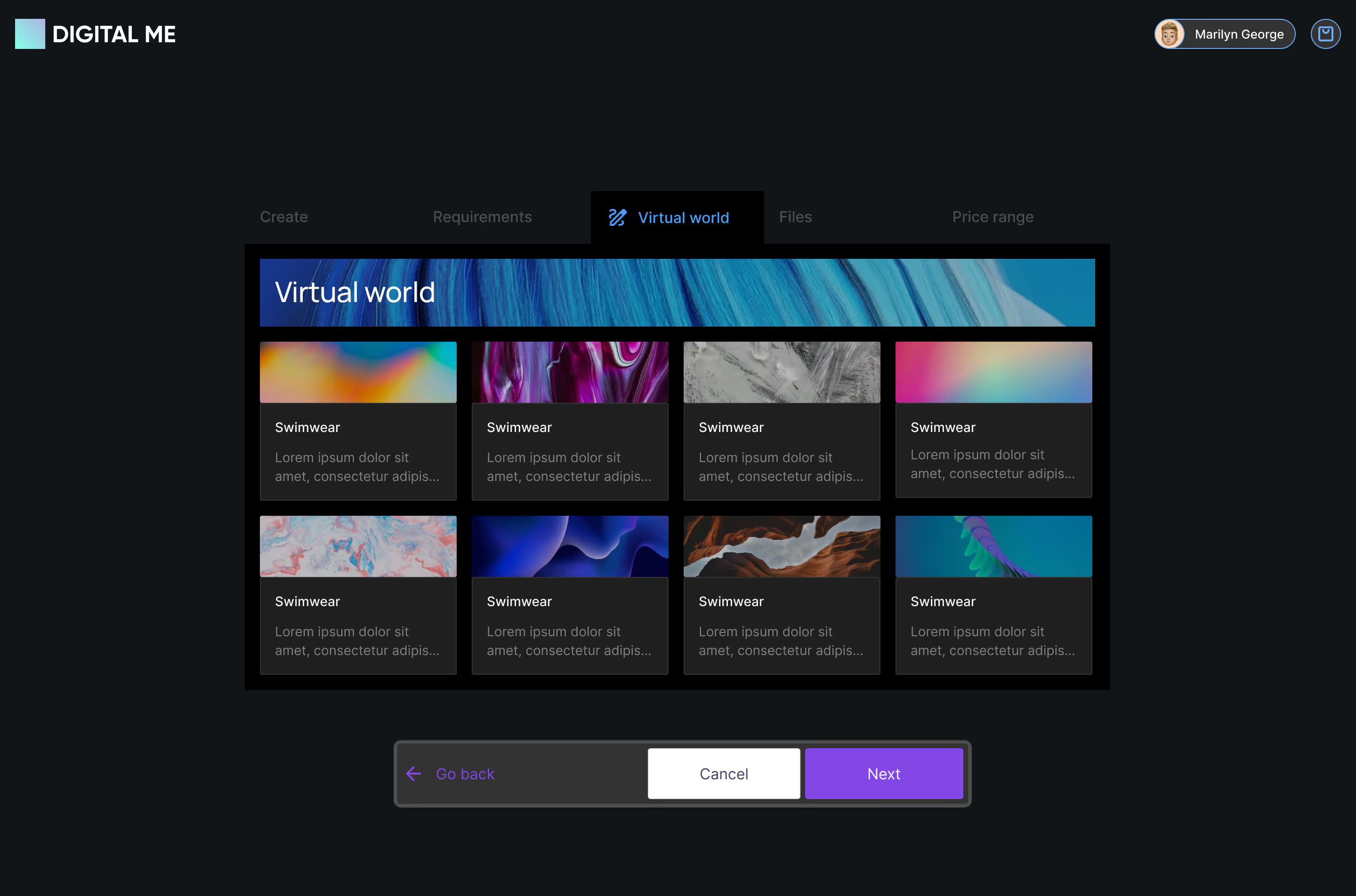
User-friendly Web Platform
- Easy navigation for designing and purchasing digital outfits
- Integration with Figma for high-fidelity fashion prototyping
High-Fidelity Virtual Prototyping
- Uses 3D rendering and virtual draping simulations to visualize garments.
- Ensures fabric textures and movement are realistic, enhancing user engagement.
Blockchain-Backed Digital Ownership
- Each Digi-Couture item is tokenized as an NFT (ERC-721), ensuring digital fashion scarcity and exclusivity.
Outcome & Impact
Expected Results
New Business Model for Fashion – Digital Me introduces a direct-to-avatar commerce model, disrupting traditional retail.
Mass Adoption of Virtual Fashion – Gamers, influencers, and Gen Z users integrate digital clothing into their online identities.
Impact Measurement
User Growth – Tracking adoption rates in Avakin Life and other virtual platforms.
Revenue Streams – Measuring success through digital clothing sales & NFT ownership rates.
Reflective Takeaways & Future Directions
Key Learnings
Fashion is No Longer Just Physical
The rise of virtual fashion signals a major industry shift.
Consumers Want Unique Digital Identities
Avatars are an extension of self, and fashion plays a major role in virtual self-expression.
Scalability & Innovation Are Key
Expanding beyond gaming into Metaverse-driven retail is the next step.