Empowering Rural Youth through Agricultural Innovation
PolyB is a transformative social innovation that empowers rural youth in Sri Lanka by modernizing agriculture. This initiative repurposes idle land for polytunnel farming, enabling year-round, controlled cultivation. Through a digital platform, young farmers access real-time crop monitoring, market data, and technical guidance, ensuring higher productivity and profitability. Strategic partnerships with government agencies, investors, and landowners underpin its success, addressing youth unemployment and revitalizing local economies. By integrating technology, sustainable farming practices, and community collaboration, PolyB not only enhances food security but also inspires a new generation of farmer-entrepreneurs, creating lasting socio-economic impact, driving significant progress for sustainable rural development.
Introduction & Context
The Challenge
Agriculture is the backbone of rural Sri Lanka, yet many young people are moving away from farming. The problem isn't just about preferences—it’s systemic.
High Youth Unemployment:
Rural youth face an unemployment rate of 21.23%, forcing many to migrate to urban areas in search of work.
Land Underutilization:
Thousands of hectares of agricultural land remain unused due to absentee ownership and bureaucratic leasing challenges.
Market Instability:
Traditional farmers struggle with unstable crop prices and reliance on middlemen, leading to low profitability and high mental stress—even driving some farmers to financial ruin.
I saw this as an opportunity to rethink farming as a system, integrating service design, digital tools, and modern agricultural techniques to create a sustainable, youth-friendly farming ecosystem.
My Approach
As a service designer and system thinker, I approached this challenge with:
Design Thinking
Identifying pain points and crafting human-centered solutions.
Lean Startup Methodology
Rapidly prototyping and iterating based on user feedback.
Systems Thinking
Structuring a multi-stakeholder platform that connects farmers, landowners, investors, and government agencies.
This led to the creation of PolyB - a farmer-entrepreneur network that connects unemployed youth with unused agricultural land, financial support, and a digital platform for smart farming.
Thought Process & Strategic Design
Research & Insights: Understanding the System
To validate the PolyB concept, I conducted:
Literature Reviews & Data Analysis
- Farmers with unstable incomes are at high risk of depression, contributing to 103,113 lost life years due to mental health issues (2015 study).
- Sri Lanka’s youth unemployment rate (21.23%) is significantly higher than in neighboring countries.
- Nearly 80% of the unemployed are youth, despite many having at least 10 years of schooling.
Learning Marketplace:
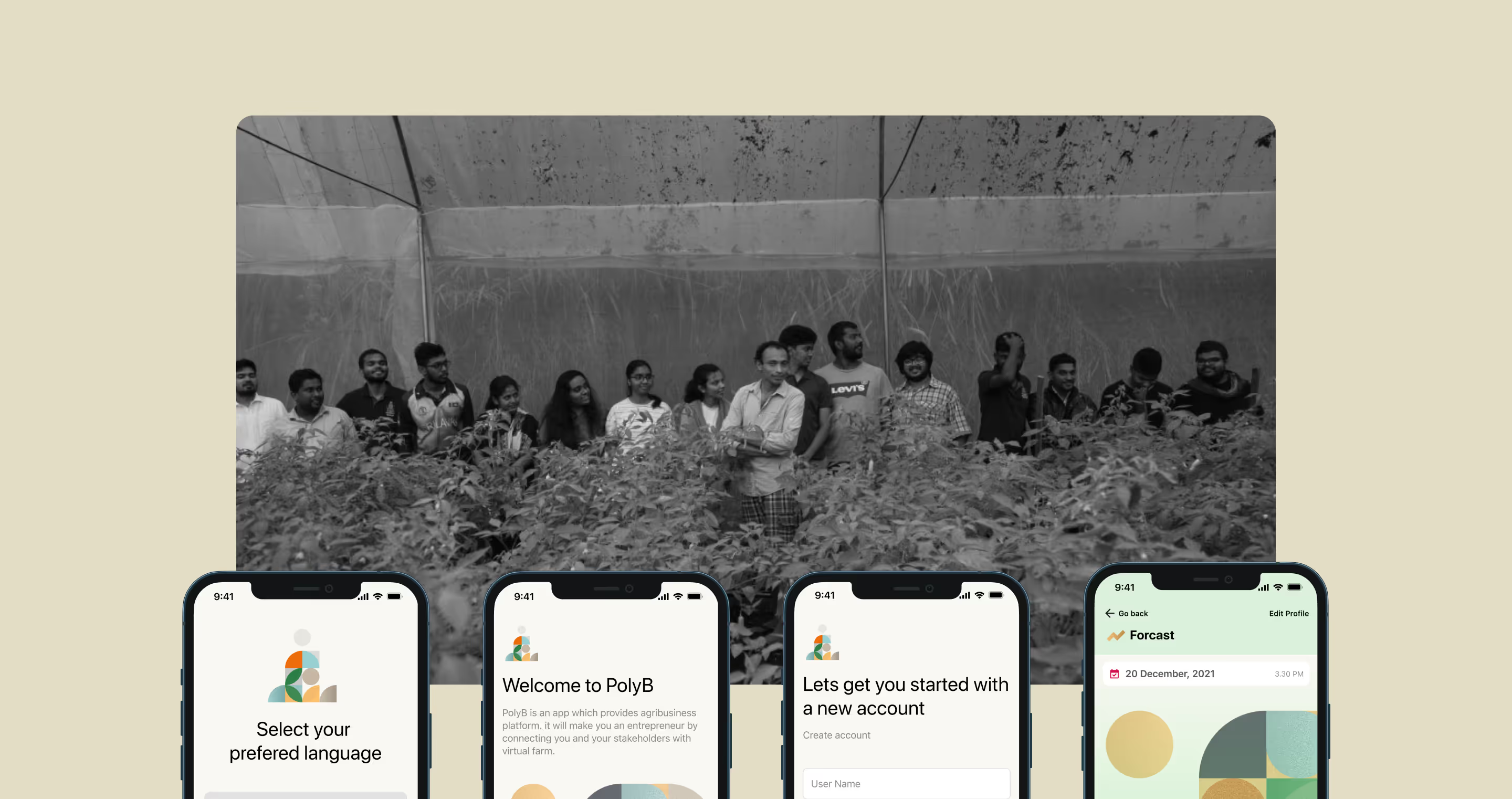
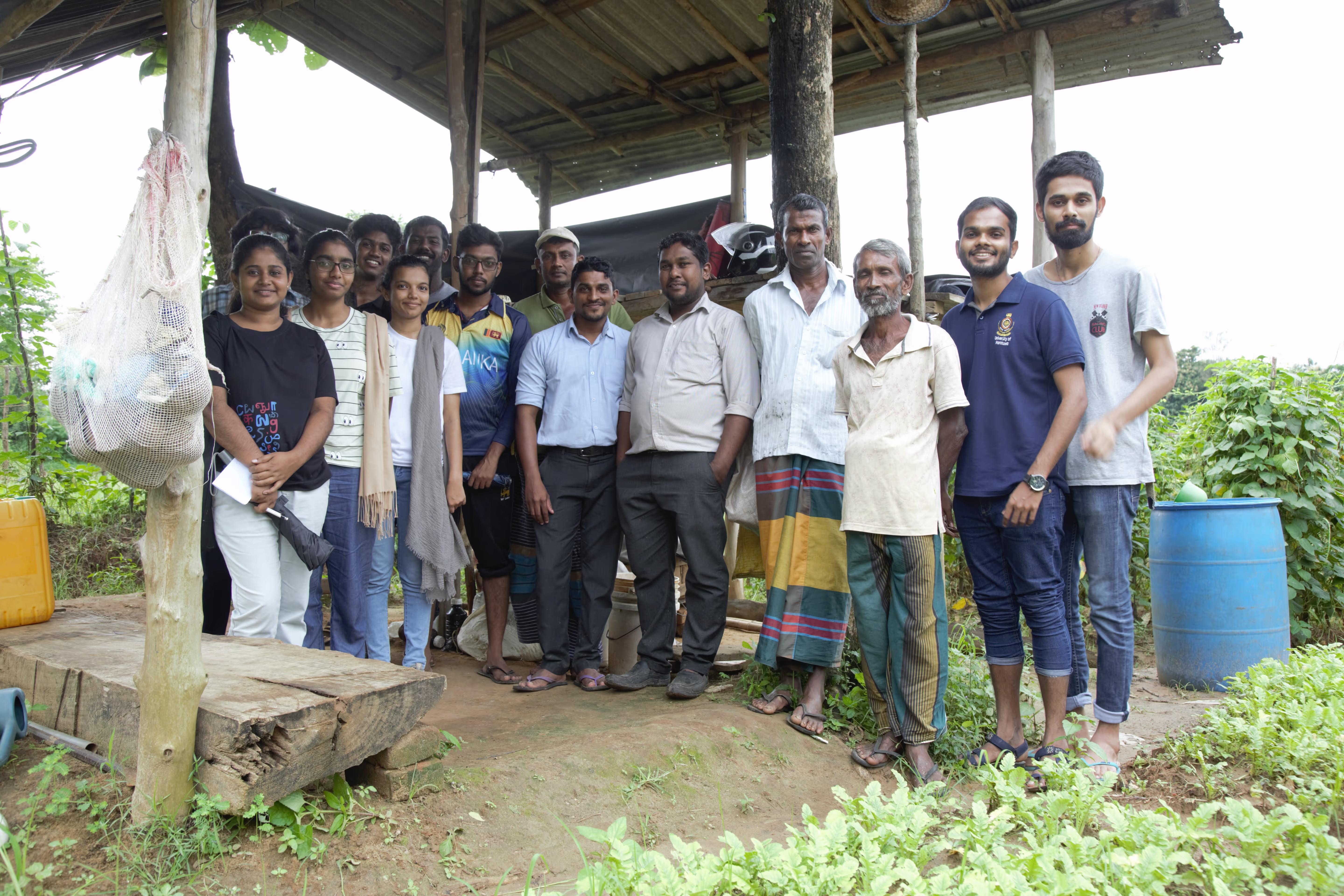
- I visited Udadumbara, Hasalaka, and Uva Paranagama, interviewing young farmers, agricultural officers, and existing polytunnel cultivators.
- Key findings included:
- Youth wanted to engage in farming but saw it as financially risky.
- Many landowners were willing to lease their land but lacked a structured process.
- Existing farmers struggled with fluctuating prices and limited technical knowledge.
Industry Bridge:
- The problem wasn't just about youth disinterest in farming, it was about a lack of infrastructure to support sustainable agricultural entrepreneurship.
- The government, private investors, landowners, and farmers needed a collaborative platform to bridge the gaps.
Ideation & Concept Development: Service Design in Action
Using insights from my research, I designed PolyB as a three-pronged solution:

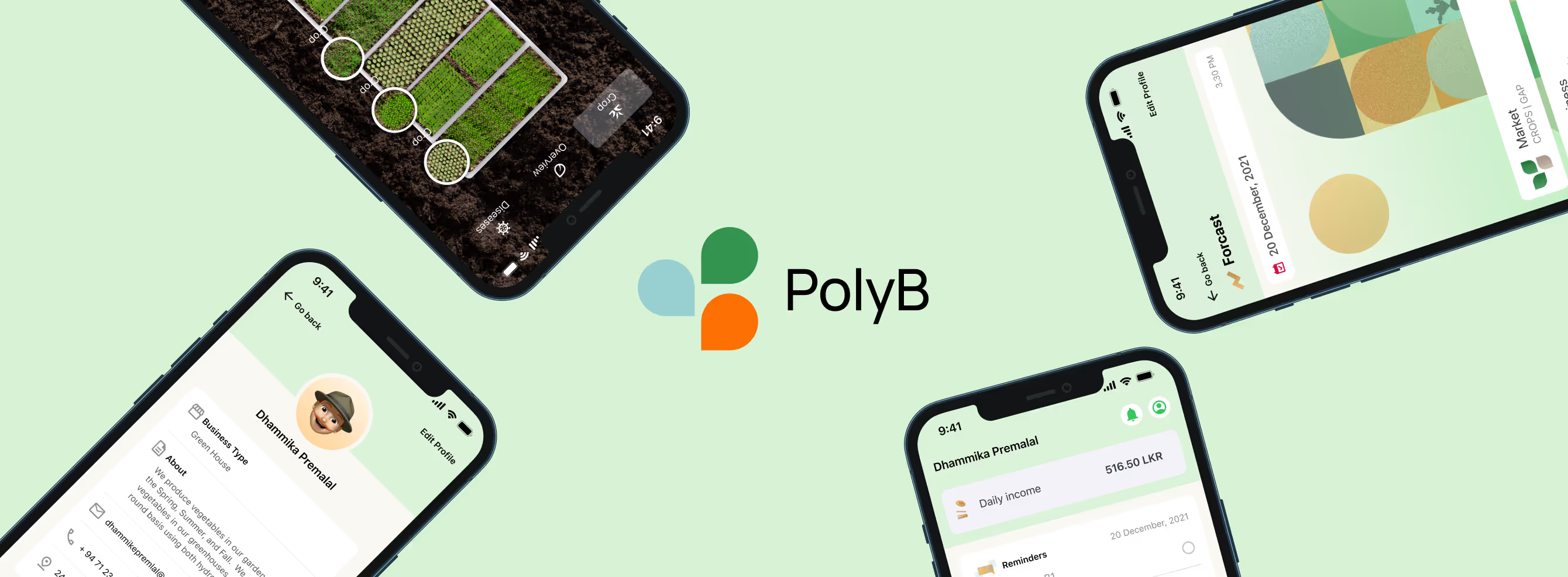
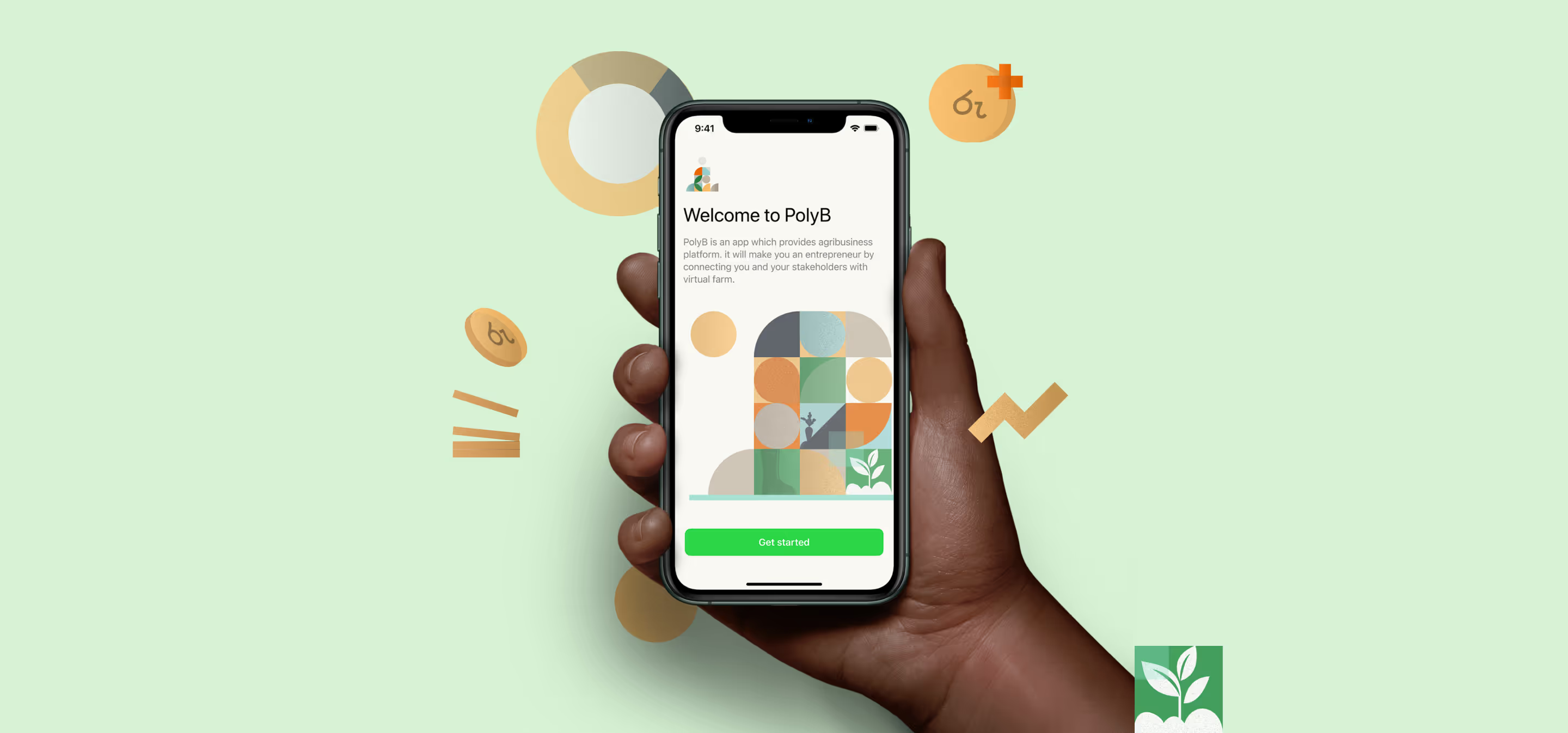
The PolyB Digital Platform
A mobile app that offers:
Crop monitoring & disease detection, Market forecasting & financial tracking, Smart irrigation control & polytunnel growth simulation
Investors can fund young farmers, while farmers get real-time data & mentorship.
Polytunnel Farming Integration
Unlike traditional farming, polytunnels allow year-round cultivation with minimal labor.
Farmers can grow high-value crops with controlled climate conditions, reducing risks
Revenue-Sharing Model
Investors & landowners earn passive income.
Farmers pay monthly rental fees instead of high upfront costs
The Department of Agriculture ensures a stable buyer through GAP-certified market stalls.
Strategy & System Design: Making It Work
PolyB isn’t just a platform. It’s an ecosystem.
Business Model Innovation
Farmers operate under a shared economy model, where they rent polytunnels rather than buying land outright.
The GAP certification program connects farmers directly to a stable market, reducing reliance on middlemen.
Scalability & Sustainability
A pilot project in Uva Paranagama (covering 600 youth farmers) demonstrates scalability.
The TOWS analysis helps optimize government support, financial models, and technical scalability.
Revenue-Sharing Model
Government: Provides infrastructure & technical expertise.
Private Investors: Fund polytunnels and receive returns through a crowdfunding model.
Landowners: Lease underutilized land, earning passive income.
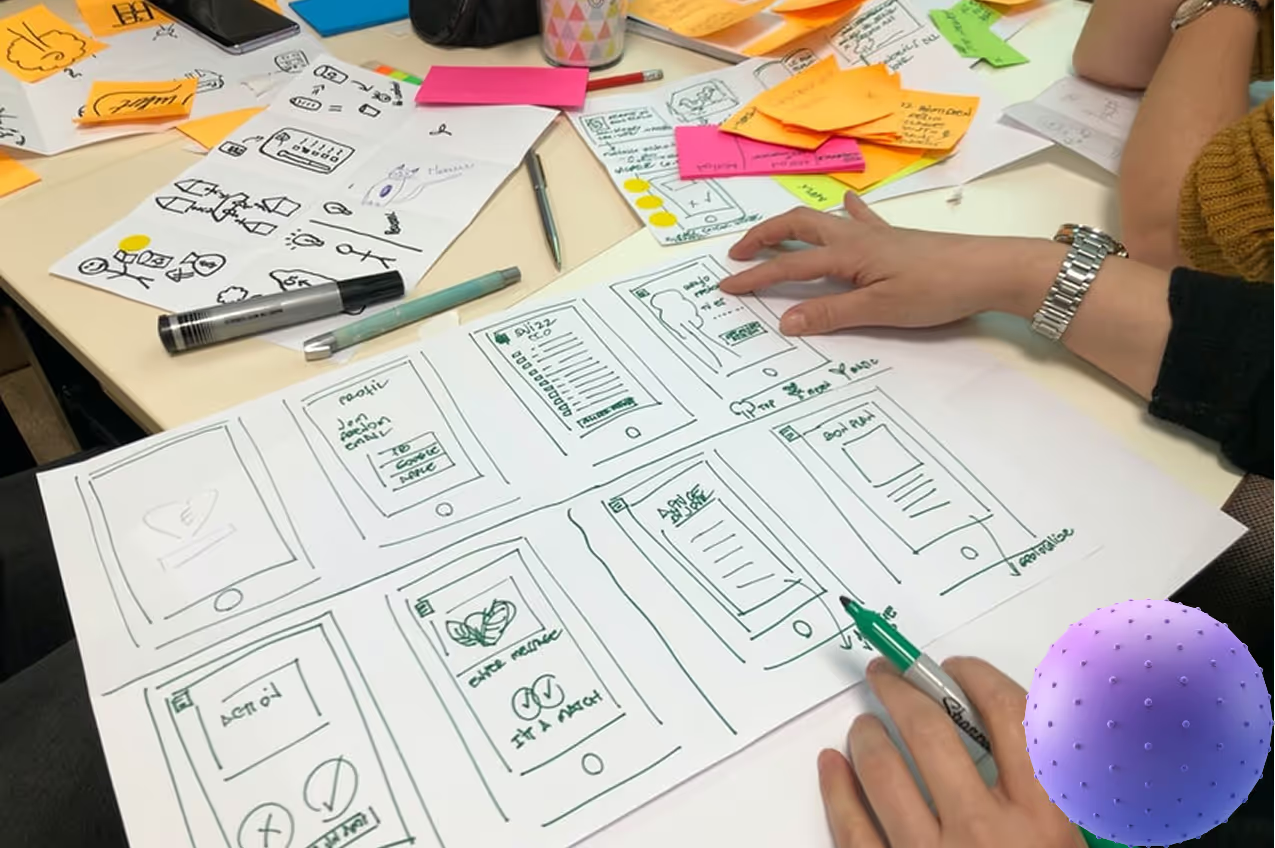
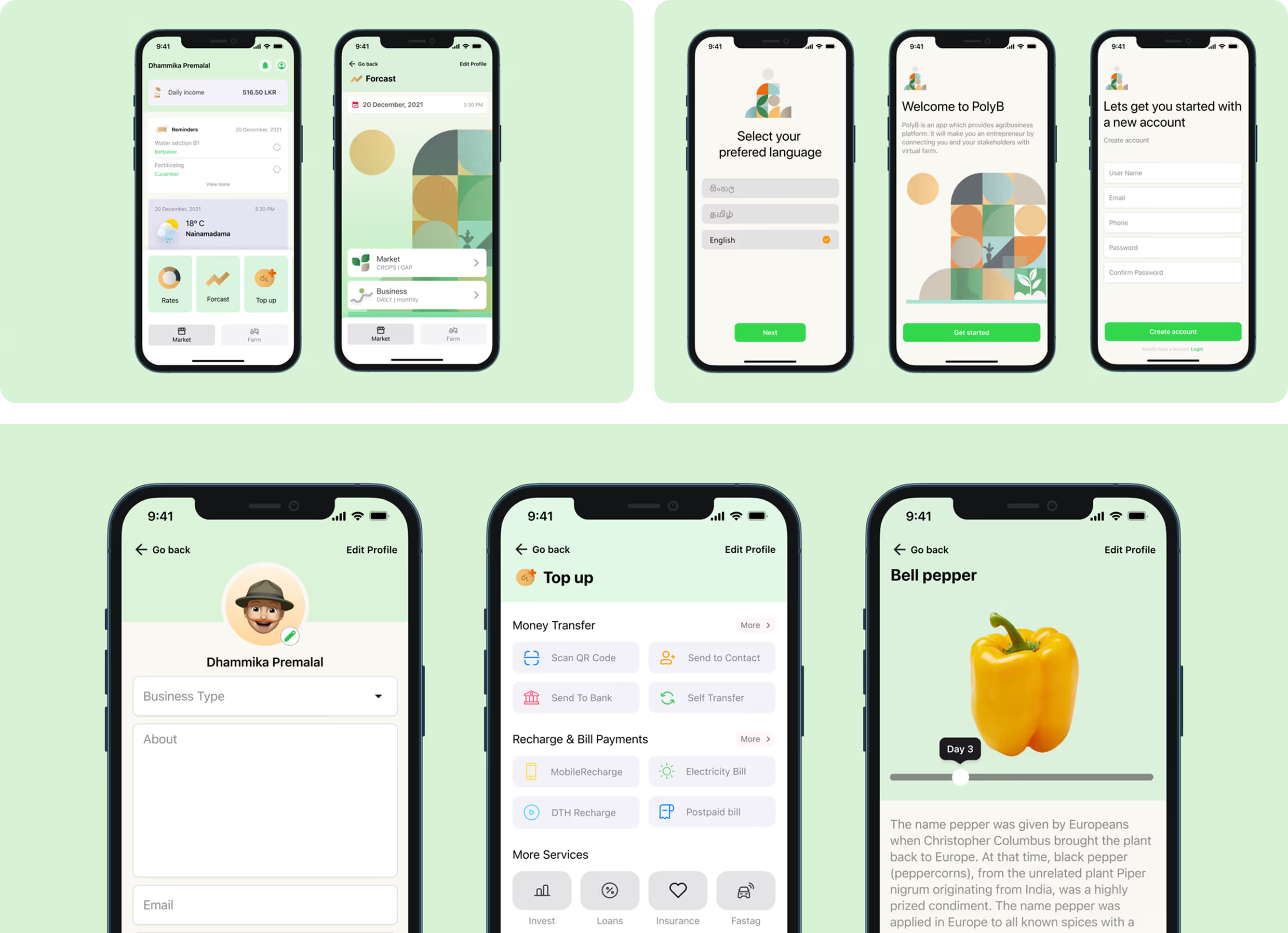
Visual Storytelling & Mobile UI Integration
Two Interactive App Modes:
Business Mode:
Tracks profits, market trends, and reinvestment opportunities.
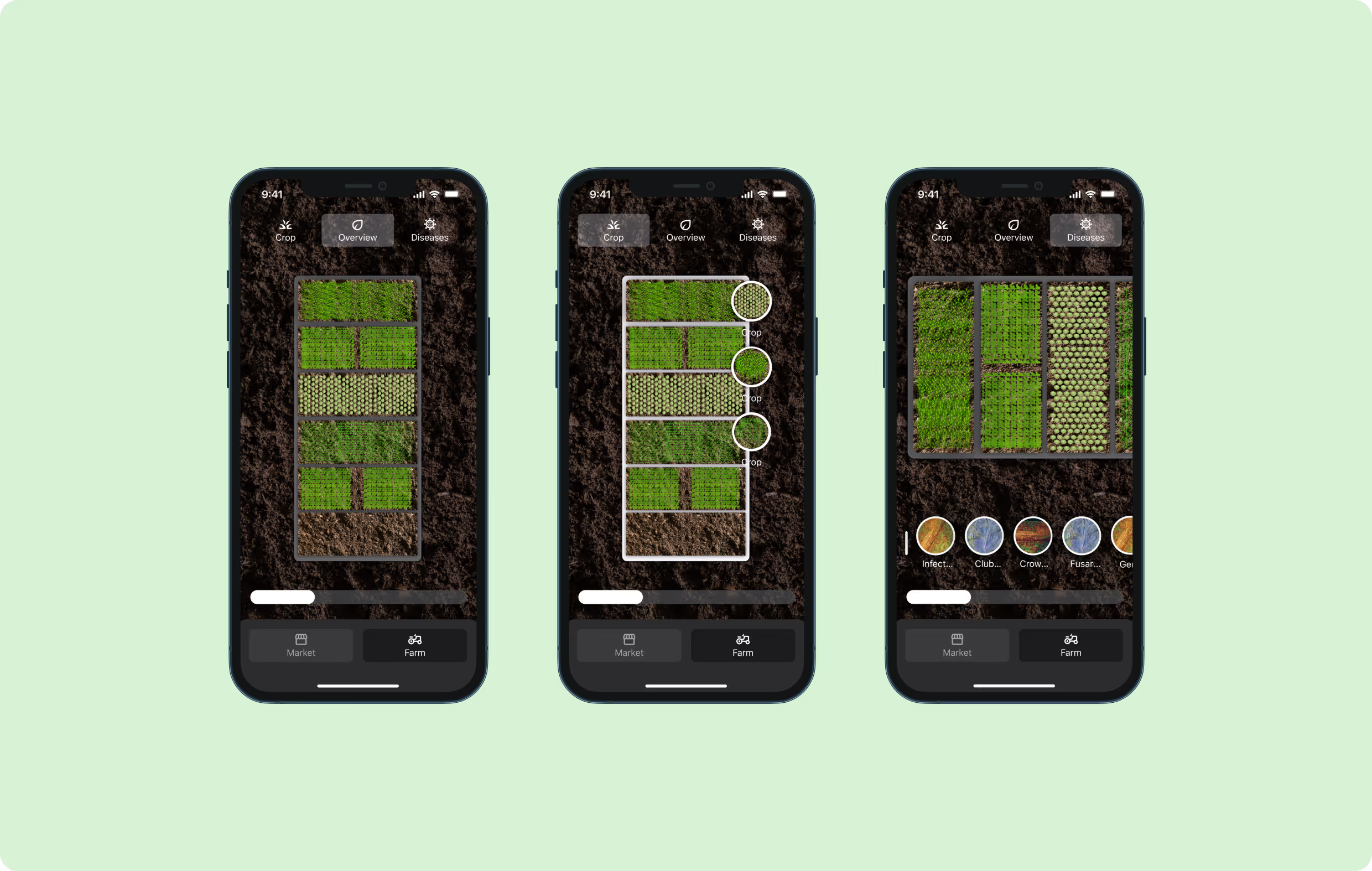
Polytunnel Mode:
Provides a virtual replica of the farmer’s polytunnel, showing growth simulations, disease detection, and remote irrigation control.
Intuitive Navigation:
Farmers with minimal tech experience can easily access training materials, financial insights, and crop guidance.
Investors can monitor farm performance & ROI in real time.
Real-Time Crop Monitoring & Market Forecasting:
The app predicts best crops for the season, ensuring maximum profitability.
Farmers receive AI-driven alerts for pest control & fertilizer application.
Outcome & Impact
Expected Results
635 direct & 120 indirect employment opportunities created.
Each farmer earns a minimum of Rs. 12,000 ($120) per month.
Projected annual earnings of Rs. 100M ($1M) across the project.
Improved rural economies by integrating digital tools & private investments.
Impact Measurement
Higher adoption of modern farming techniques (polytunnel farming).
Increased youth retention in agriculture.
Boosted investor confidence in agricultural startups.
Reflective Takeaways & Future Directions
Key Learnings
System Thinking is Essential
Agriculture isn’t just about crops—it’s about connecting land, people, and technology in an efficient, sustainable way.
Tech-Enabled Agriculture is the Future
Digital platforms can democratize knowledge & access to investment.
Scalability Requires Policy Alignment
Government backing & private-sector incentives are crucial for long-term success.